|
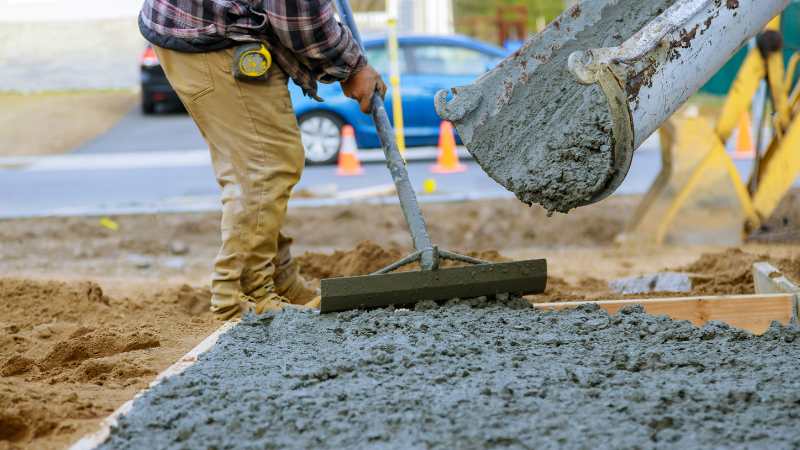
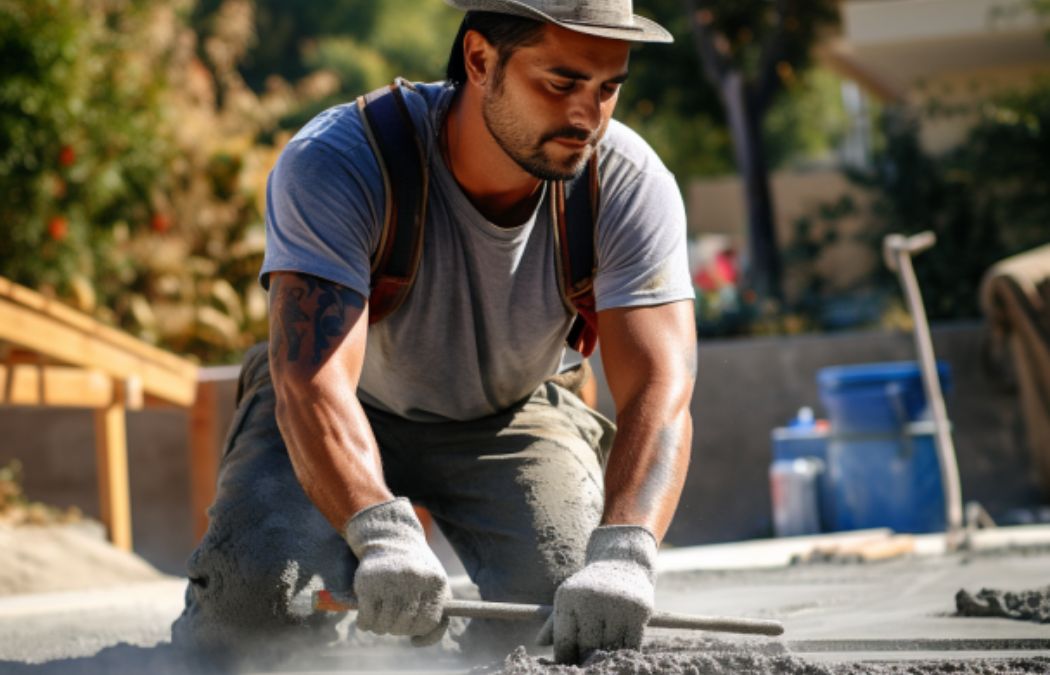
Concrete is one of the most durable building materials available, but no concrete surface is completely immune to cracking. Whether it's a driveway, patio, sidewalk, or garage floor, small cracks can appear over time due to weather, ground movement, or natural curing. For homeowners in Sioux Falls, understanding why concrete cracks is especially important. South Dakota's changing seasons, freezing winters, and warm summers create conditions that put extra stress on outdoor concrete. The good news is that many cracks can be minimized—or even prevented—with proper installation and regular maintenance. Is It Normal for Concrete to Crack?Yes. One of the biggest misconceptions is that every crack means something went wrong. In reality, concrete naturally shrinks as it cures, and even professionally installed concrete can develop small hairline cracks over time. The goal isn't to eliminate cracking entirely but to control where and how it occurs using proper construction techniques such as control joints. However, large, uneven, or widening cracks should never be ignored, as they may indicate a more serious issue. Common Causes of Concrete Cracks1. Freeze-Thaw CyclesIn Sioux Falls, freeze-thaw cycles are one of the leading causes of concrete damage. Concrete naturally absorbs moisture. When temperatures drop below freezing, that trapped water expands as it turns to ice. As temperatures rise, the ice melts and the cycle repeats. Over time, this constant expansion and contraction weakens the concrete and leads to cracking or surface flaking. 2. Improper Base PreparationA concrete slab is only as strong as the foundation beneath it. If the soil or gravel base isn't properly compacted before the concrete is poured, sections of the slab may settle unevenly. This movement places stress on the concrete and often results in large structural cracks. Professional contractors spend significant time preparing the base because it's one of the most important steps in achieving a long-lasting installation. 3. Too Much Water in the MixAdding excess water makes concrete easier to pour and finish, but it also weakens the final product. As the extra water evaporates during curing, the concrete shrinks more than intended, increasing the risk of cracking and reducing overall strength. 4. Heavy LoadsConcrete is strong, but every slab is designed for a specific purpose. Parking heavy equipment or oversized vehicles on residential driveways can create stress beyond what the slab was built to handle. Over time, this may cause cracking, especially if the concrete wasn't reinforced for heavier loads. 5. Tree RootsGrowing tree roots can slowly lift sidewalks, patios, and driveways. As roots expand beneath the slab, they create upward pressure that eventually causes concrete to crack or become uneven. Choosing the right planting locations can help avoid this problem. How to Prevent Concrete CracksWhile no concrete surface can be guaranteed to remain crack-free forever, there are several ways to maximize its lifespan. Choose an Experienced ContractorProper installation is the most effective way to reduce future cracking. A quality contractor will:
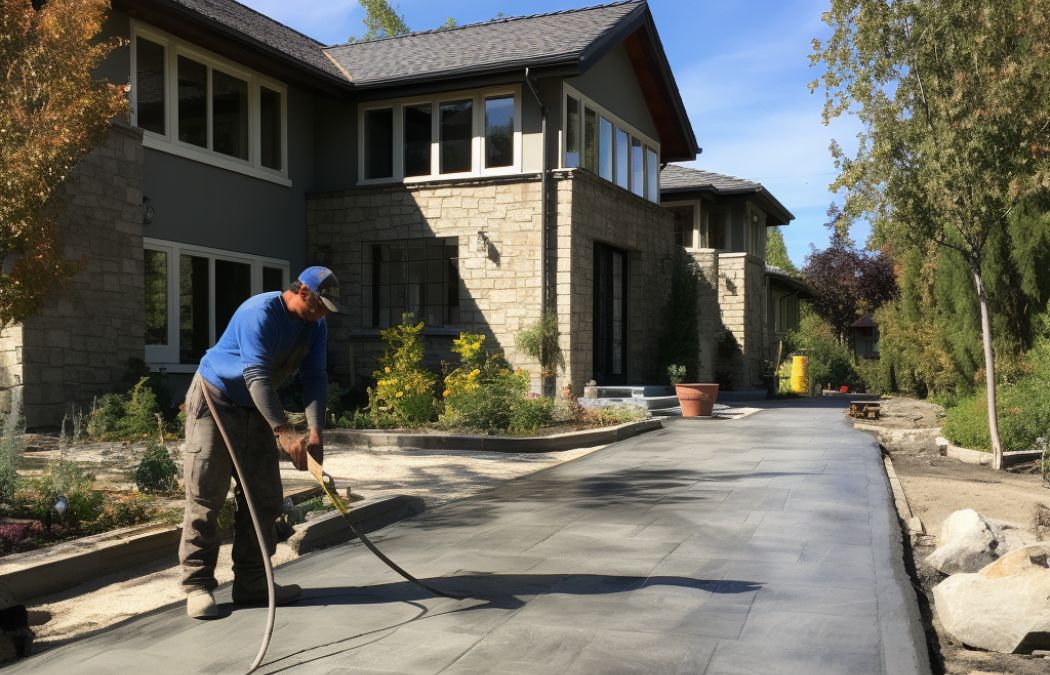
Seal Your ConcreteConcrete sealing is one of the easiest and most affordable ways to protect your investment. A quality sealer helps reduce water absorption, making freeze-thaw damage much less likely. It also protects against road salt, stains, and moisture penetration, which are common concerns in South Dakota. Regular sealing can extend the life of your driveway or patio by several years. Keep Water AwayStanding water accelerates concrete deterioration. Make sure gutters, downspouts, and landscaping direct water away from your concrete surfaces. Good drainage reduces erosion beneath the slab and limits moisture infiltration. Repair Small Cracks EarlySmall cracks rarely stay small. Water enters tiny openings, freezes during winter, and gradually widens them. Sealing hairline cracks early helps prevent more extensive repairs later. Avoid Harsh De-Icing ChemicalsWhile de-icing products help improve winter safety, certain chemicals can damage unprotected concrete.
Using products recommended for concrete surfaces and sealing your concrete regularly can help reduce winter Concrete is one of the most durable building materials available — but in a climate like Sioux Falls, South Dakota, durability alone isn’t enough. Between freezing winters, snowmelt, road salt, and summer heat, your concrete surfaces take a beating year-round. At Sioux Falls Concrete, we often see beautiful driveways, patios, and sidewalks deteriorate prematurely simply because they were never sealed. The good news? Sealing your concrete is one of the most affordable and effective ways to protect your investment. Let’s break down why concrete sealing is essential — especially here in Sioux Falls. Why Concrete Needs Protection in Sioux FallsSouth Dakota weather creates the perfect storm for concrete damage:
Sealing creates a protective barrier that dramatically reduces these risks. Top Benefits of Sealing Your Concrete1. Prevents Freeze-Thaw Cracking In Sioux Falls, temperatures frequently move above and below freezing. That repeated expansion and contraction stresses unprotected concrete. A quality sealer limits water absorption, reducing internal pressure and surface cracking. 2. Protects Against Salt & Chemical Damage Road salt and de-icers are necessary in winter — but they’re harsh on concrete. Sealers block salt penetration and help prevent surface scaling and pitting. 3. Stops Stains Before They Set Driveways and garage floors are exposed to:
4. Extends the Life of Your Investment Concrete replacement is expensive. Sealing is not. Routine sealing can extend the life of your driveway, patio, or sidewalk by years — protecting the money you’ve invested in your property. 5. Enhances Appearance Concrete sealers can enhance color, add a subtle sheen, and give your surface a clean, refreshed appearance. Whether you prefer a natural matte finish or a richer “wet look,” sealing improves curb appeal instantly. How Often Should Concrete Be Sealed?For most residential properties in Sioux Falls:
DIY vs. Professional Concrete SealingWhile store-bought sealers are available, professional application provides:
Protect Your Concrete Before Damage StartsMany homeowners wait until cracks appear before taking action. Unfortunately, by then, damage has already begun. Preventative sealing is far more affordable than repairs or replacement. If you want your driveway, patio, or concrete surfaces to withstand Sioux Falls winters and look great year-round, sealing is not optional — it’s essential. If your concrete hasn’t been sealed in the last few years, now is the perfect time to protect it. |
ArchivesCategories |